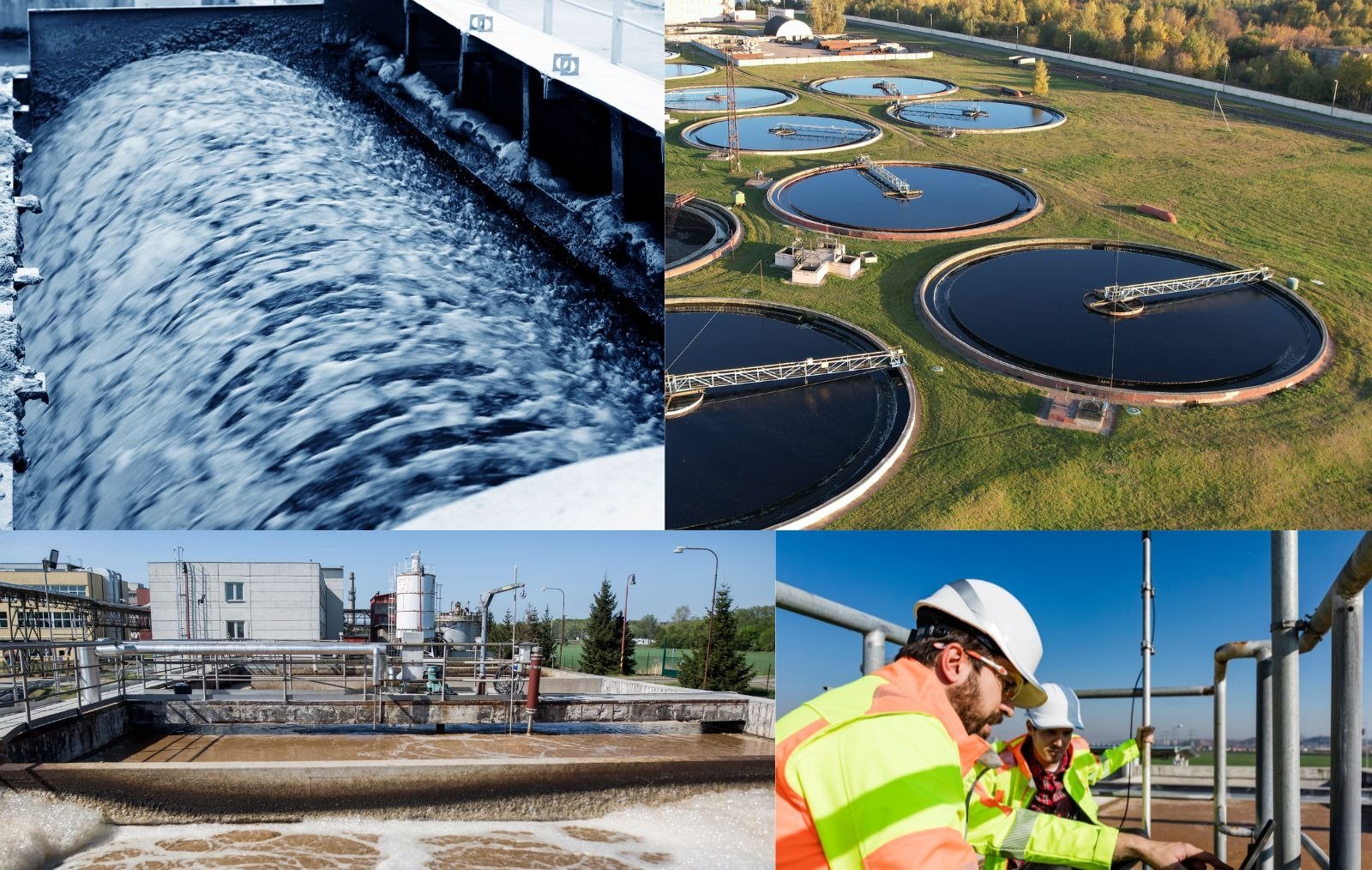
With the surge in urbanization, industrial growth, and population, fresh water demand is mounting. As a result, wastewater treatment has become an unavoidable process that protects this precious commodity further in safeguarding the environment. Wastewater treatment thus not only purifies water before its return to natural bodies but also prevents pollution, which may become the means of spreading diseases. This paper is going to present the principles of wastewater treatment, assess more sophisticated technologies in the area, and point the direction toward sustainabilitythat allows long-term management of water resources.
Wastewater treatment is the removal of pollutants from water supplied by households, industries, agriculture, and stormwater runoff. Wastewater generally contains organic and inorganic pollutants, pathogens in the form of bacteria, and several other contaminants that must be removed before the resulting product can be reused or discharged into the environment. For communities and industries, wastewater treatment can reduce pollution, protect ecosystems, and advance public health.
Untreated wastewater could become a serious threat to rivers, oceans, and sources of groundwater. It may end up damaging aquatic ecosystems and wildlife and worsening cases of waterborne diseases. Wastewater treatment provides ways of removing harmful contaminants from water. Apart from these, treatment helps preserve the water and reduces its reliance on freshwater resources. This way, we are able to create a sustainable water cycle that decreases the impact of humans on the environment.
Why: Transportation is one of the larger generators of carbon emissions. Cars, and certainly those on gasoline and diesel, consume a great deal of CO₂.
This step first removes large solids, debris, and non-biodegradable materials in the wastewater treatment process. Plastic, stones, or grit are screened to prevent damaging machinery in subsequent stages.
In primary treatment, the wastewater is allowed to settle in the sedimentation tanks, letting sludge containing solid particles settle at the bottom and oils or greases float up at the top. This phase removes much of suspended solids, but the water is still not safe enough for discharge or reuse.
This stage involves biodegradation, where oxygen is brought to the tanks to provide an environment for the growth of useful bacteria. These bacteria feed on the organic contaminants, making them less toxic. Secondary treatment can remove up to 85% of the pollutants and is usually found in wastewater treatment plants, providing one of the most significant aspects of environmental protection.
This third stage utilizes advanced filtration and chemical treatment to purify the water even further. During tertiary treatment, removal of dissolved substances and chemicals still present in the water may involve processes like activated carbon filtration or membrane filtration. Disinfection is highly significant here because treated waters might be used for reuse applications.
The last step of the water treatment process ensures that there are no pathogens in the water. The treated water is chlorinated, UV-lighted, or ozone treated. After this step, the water can be safely released or reused.
As industries and cities expand, traditional wastewater treatment methods are no longer sufficient to address complex pollutants. Advanced treatment technologies have emerged, offering effective and efficient ways to purify wastewater.
Environmental awareness and global warming have led sewage treatment centers to adopt sustainable systems that reduce environmental impact.
With advancing technology and a global focus on sustainability, the future of wastewater treatment is promising. Modern plants are becoming more advanced, improving water quality while promoting environmental protection.